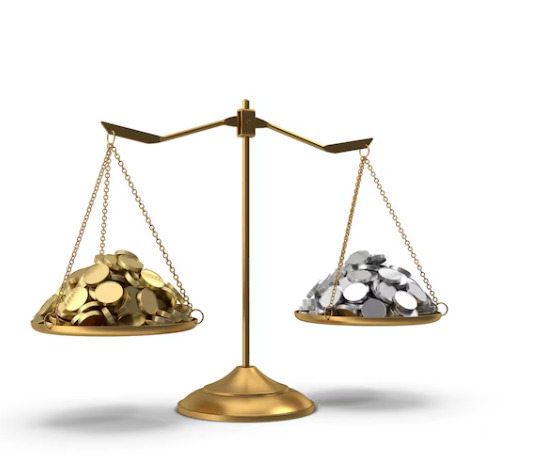
Gold vs Silver ETF 2026: Which Is the Better Inflation Hedge India? | Finnpick
Indian investors are slowly rethinking how they build their portfolios. Equity markets remain important, but many are now adding alternatives beyond fixed deposits to improve overall balance. In this context, Gold vs. Silver ETFs have moved from being a casual comparison to a genuine investment question, especially for those who want exposure to commodities without dealing with storage, purity, or physical handling. At the same time, inflation patterns, rupee movement, and global demand cycles continue to influence returns, making 2026 an important checkpoint for how each ETF fits into long-term portfolio planning.
Today, investment decisions rely less on assumptions and more on clear market signals. As commodity ETFs see wider participation across India, investors increasingly want practical insight that connects economic trends with allocation choices. This article looks at key performance factors and risk considerations to help readers judge which direction better supports their financial priorities.
Why Are Indian Investors Comparing Gold and Silver ETFs for 2026?
Indian investors are taking a closer look at how their portfolios are positioned as market signals become harder to read. Equity valuations appear elevated in parts of the market, while interest rates seem closer to stabilisation after an extended tightening phase. In this setting, precious metals are once again being viewed as long-term portfolio components rather than short-term price plays.
A few India-specific factors are shaping this comparison:
Inflation pressure: Gold demand usually picks up when daily expenses rise. Many retail investors noticed this during the last inflation cycle, when interest in gold increased even as equity returns stayed mixed.
Silver’s industrial pull: Solar installations, EV assembly lines, and electronics plants are now using more silver than they did a few years ago. This shift in actual consumption is gradually tying silver ETFs to India’s manufacturing direction rather than only to investor sentiment.
Rupee movement: Currency changes still matter. A softer rupee often shows up in higher local metal prices, which can support both gold and silver during uncertain forex periods.
Rising ETF adoption: More retail investors now prefer commodity ETFs simply because they remove practical friction. Demat-based access feels easier than handling physical buying, storage, and safety over long holding periods.
How Do Gold ETFs and Silver ETFs Actually Work in India?
Gold and silver ETFs follow the same exchange-traded framework, but they do not behave the same once trading begins. Each fund holds physical metal with approved custodians under SEBI regulation, allowing investors to transact through demat accounts like any listed security. Where they differ is liquidity, price movement, and market depth, which become more visible over time.
Gold ETFs—India Snapshot
Gold ETFs mirror domestic gold prices based on international benchmarks adjusted for rupee changes.
Key operational points:
Each unit corresponds to a fixed quantity of physical gold kept in secured vaults.
Expense ratios remain comparatively lower as gold ETFs benefit from established participation.
Trading volumes are generally stronger than those of silver ETFs, making entry and exit easier.
Tracking differences remains limited because gold pricing is widely tracked, and demand remains consistent.
Gold ETFs mainly reflect inflation expectations, currency shifts, and global risk sentiment.
Silver ETFs—India Snapshot
Silver ETFs are still developing participation in India.
Notable characteristics include:
Units represent physical silver, with valuation linked to international prices.
Costs tend to run slightly higher because of storage and handling.
Liquidity differs across funds, which means timing can play a bigger role.
Prices often react more sharply when industrial demand rises alongside wider economic changes.
Silver ETFs sit between defensive precious metals and growth-linked commodities, giving them a risk profile that differs from gold.
Gold vs Silver ETFs: Core Differences That Matter for 2026
Choosing between gold and silver ETFs becomes clearer when their practical differences are viewed together. While both offer commodity exposure through a regulated framework, their behaviour across market cycles varies. For Indian investors looking toward 2026, these differences shape how each ETF fits into long-term portfolio planning.
What Macro Signals Could Shape Gold and Silver ETFs by 2026?
The gap between gold and silver ETF performance over the next two years is likely to be driven more by wider economic direction than by short-term price swings. For Indian investors, keeping track of these signals helps set expectations beyond daily market movement.
1. Global Interest Rate Direction
As major central banks move closer to policy stability, precious metals often start regaining strength. Lower or steady rates reduce the cost of holding non-yielding assets such as gold, while silver usually responds more quickly when growth expectations begin to improve.
2. India’s Inflation Path
Domestic inflation continues to play an important role. Ongoing price pressure generally supports gold’s position as a store of value. Silver tends to benefit most when inflation overlaps with expanding industrial activity.
3. Renewable Energy and EV Expansion
India’s growing focus on solar capacity and electric mobility is steadily lifting long-term silver demand. This connection gives silver ETFs exposure to infrastructure-led growth that gold does not provide.
4. Geopolitical and Currency Cycles
Periods of global stress still tend to support gold. At the same time, a softer rupee can push domestic metal prices higher, influencing allocation choices for investors looking for currency-linked protection.
Which ETF Shows Better Risk-Adjusted Potential for Indian Investors?
Headline returns rarely tell the whole story. The more practical question is how each ETF holds up once markets turn uneven and portfolios face pressure.
Gold ETFs usually stay steadier across cycles, which is why many long-term investors keep them as a stabilizing layer during equity corrections. Their lower correlation with Indian equities also helps smooth results over time, especially when stock markets struggle.
Silver ETFs tend to show sharper price moves. This adds risk, but it also creates room for stronger rallies during periods of industrial recovery. Because silver is tied closely to manufacturing activity, it often behaves more like a growth-linked asset.
From an allocation perspective:
Gold ETFs suit investors focused on stability.
Silver ETFs suit those comfortable with price fluctuations in pursuit of higher potential returns.
Combining both often improves diversification.
This is why many portfolios treat gold as a core holding and silver as a tactical addition.
Position Your Portfolio for 2026 with Better Market Clarity
Gold and silver ETFs offer different strengths as 2026 comes into view. Gold continues to play a stabilising role during inflationary and uncertain phases, while silver brings higher volatility alongside stronger upside linked to industrial growth. Rather than treating this as an either-or choice, many investors find value in understanding how both metals can complement each other.
The right balance depends on risk appetite, investment horizon, and financial priorities. Some investors lean toward stability, others toward growth, which is why portfolio construction rarely follows a single formula. Keeping an eye on macro trends and ETF behavior makes it easier to adjust exposure over time and take clearer investment calls as 2026 comes closer.