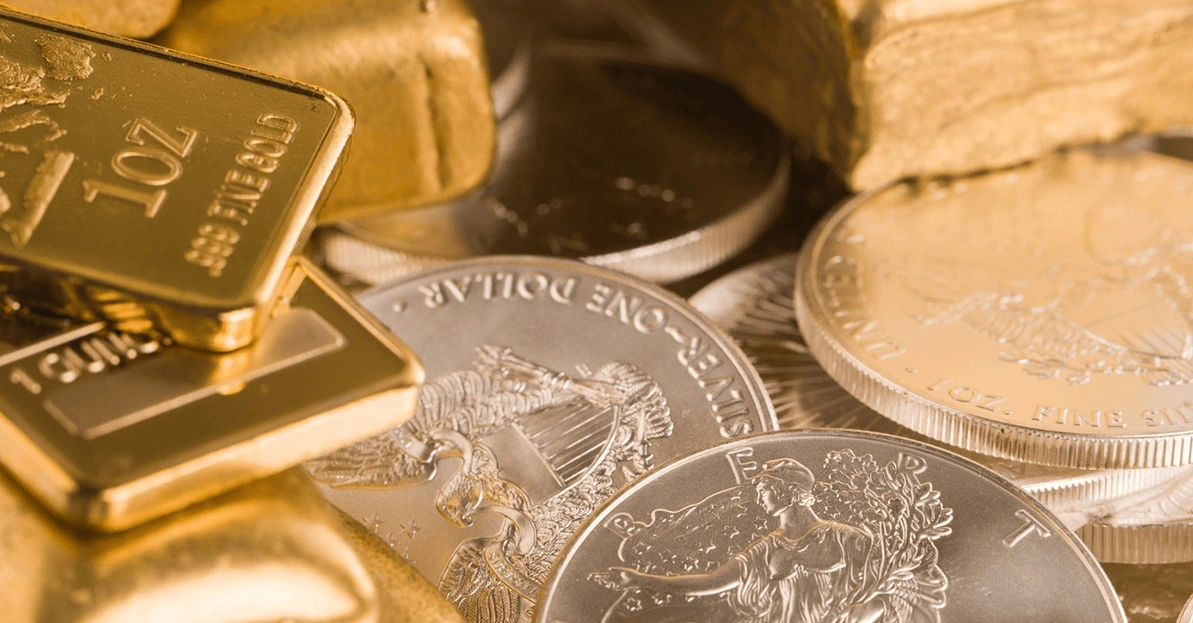
Gold vs Silver vs Platinum ETF: Best Inflation Hedge 2026-2035 India
Inflation is steadily reducing the value of money, while economic uncertainties are making traditional savings less dependable. For investors in India, the focus has shifted to finding assets that protect wealth and help it grow over time. Precious metals have long been considered a safeguard against inflation, offering stability when markets are unstable and currency values fall.
Among the choices, gold ETFs, silver ETFs, and platinum ETFs are becoming more popular for long-term wealth protection. This blog explains their performance, the main factors affecting returns, and how suitable they are as long-term investment tools, helping you make a clear and informed decision for the years ahead.
How Gold, Silver, and Platinum Protect Against Rising Prices
Precious metals like gold, silver, and platinum hold intrinsic value and have a limited supply, making them appealing in times of inflation. While all three metals serve as a hedge against rising prices, their performance and suitability depend on market trends and personal investment goals.
Gold: The Classic Safe Haven
Holds value even during economic slowdowns and market swings.
Highly liquid and globally recognised, it is easy to buy and sell.
Historically dependable for wealth protection and long-term inflation cover.
Silver: The Volatile Industrial Metal
Silver experiences more price fluctuations than gold, which offers higher growth potential but also comes with increased risk.
Strong demand from industries like electronics, solar panels, and medical devices shapes prices.
Acts as both a store of value and a commodity with wide practical uses.
Platinum: The Rare Industrial Powerhouse
Platinum is rarer than gold, which can increase its value during times of limited supply.
Automotive catalytic converters and jewellery play a significant role in driving demand.
Although it is less liquid than gold or silver, it contributes to diversification in an investor's portfolio.
Looking Back: How Precious Metals Performed During Past Inflation Surges
Understanding how precious metals have acted during previous spells of high inflation gives useful hints about their future strength. In India and worldwide, gold and silver have shown different results during economic shocks and periods of steep price rises. Here is a brief look at recent patterns:
2025 Performance Snapshot: Precious Metals Compared
Gold ETFs
Year-to-Date Return: About a 38% rise.
Factors Influencing Performance: Geopolitical strains, central bank moves, and global economic worries have pushed investors toward gold as a safe asset.
Liquidity: High, with large trading volumes on Indian exchanges.
Expense Ratio: Usually low, so they are cost-effective for long-term investors.
Silver ETFs
Year-to-Date Return: About a 53% rise.
Factors Influencing Performance: Strong industrial demand, especially from electronics and the solar sector, plus investor interest during inflation.
Liquidity: Moderate, with growing interest from retail investors.
Expense Ratio: A bit higher than gold ETFs but still competitive.
Platinum ETFs
Year-to-Date Return: About a 57% rise.
Factors Influencing Performance: Supply shortfalls, notably from major producers like South Africa, and rising demand in the auto and jewellery sectors.
Liquidity: Lower than gold or silver ETFs because the market is smaller.
Expense Ratio: Higher, reflecting the niche market and lower trading activity.
What Drives the Performance of Gold, Silver, and Platinum
The prices of gold, silver, and platinum are driven by more than market guesses. Global demand, industrial use, and the wider economy all play a big role in how these metals perform over time. Several key factors shape their returns.
Industrial Demand: Silver and platinum are used a lot in industry. Higher use in electronics, solar panels, or cars can push up demand and prices.
Supply Constraints: Mining disruptions or political problems in major producer countries can cut supply and lift prices.
Currency Fluctuations: Commodities are priced in USD, so the strength of the Indian rupee versus the dollar affects returns for Indian investors.
Market Sentiment: Economic uncertainty, inflation expectations, and investor behaviour can raise demand for precious metals.
Why iNAV Matters When Investing in ETFs
What Is iNAV?
iNAV, or Indicative Net Asset Value, is the real-time estimated value of an ETF while the market is open. It is calculated using the current market price of the underlying assets, such as gold, silver, or platinum, that the ETF holds.
Why iNAV Is Important for Investors
When buying gold, silver, or platinum ETFs, price alone does not tell the full story. Investors also need to look at iNAV (Indicative Net Asset Value) to understand whether an ETF is fairly priced.
Real-Time Value: iNAV shows the estimated real value of an ETF during market hours based on the metal it holds.
Premium or Discount Check: If the ETF price is higher than iNAV, it is trading at a premium; if lower, it is at a discount.
Better Entry Decisions: iNAV helps investors avoid overpaying during high-demand phases.
Useful in Volatile Markets: During inflation or market stress, iNAV adds clarity to ETF pricing.
How to Approach Investing in Precious Metals
Investing in gold and silver is not only about following price moves; it is about creating a plan that balances growth, risk, and long-term protection. Knowing the main factors and the practical choices helps you make confident, informed decisions. Since gold ETFs, silver ETFs, and platinum ETFs are traded on stock exchanges, investors also need to open a demat account before getting started. Consider the following factors when choosing between Gold ETFs, Silver ETFs, and Platinum ETFs:
Investment Horizon: Gold suits conservative investors, while silver and platinum suit higher risk profiles.
Diversification: Mixing metals reduces dependence on a single price cycle.
Cost: Compare expense ratios before investing.
Liquidity Needs: Gold ETFs are easier to exit than silver or platinum.
iNAV Awareness: Always compare ETF price with iNAV to ensure fair valuation.
Protect Your Wealth: Explore Gold and Silver ETFs
Each metal brings different benefits for investors wanting protection from inflation. Gold ETFs give stability and excellent liquidity, which fits conservative portfolios. Silver ETFs offer higher growth potential but also more price swings. The right choice depends on your goals, risk tolerance, and the length of time you plan to invest.
For those aiming to balance risk and returns, spreading investments across multiple metals can work well. By combining gold and silver in a planned way, you can protect wealth, capture growth chances, and build a stronger portfolio for the decade ahead.